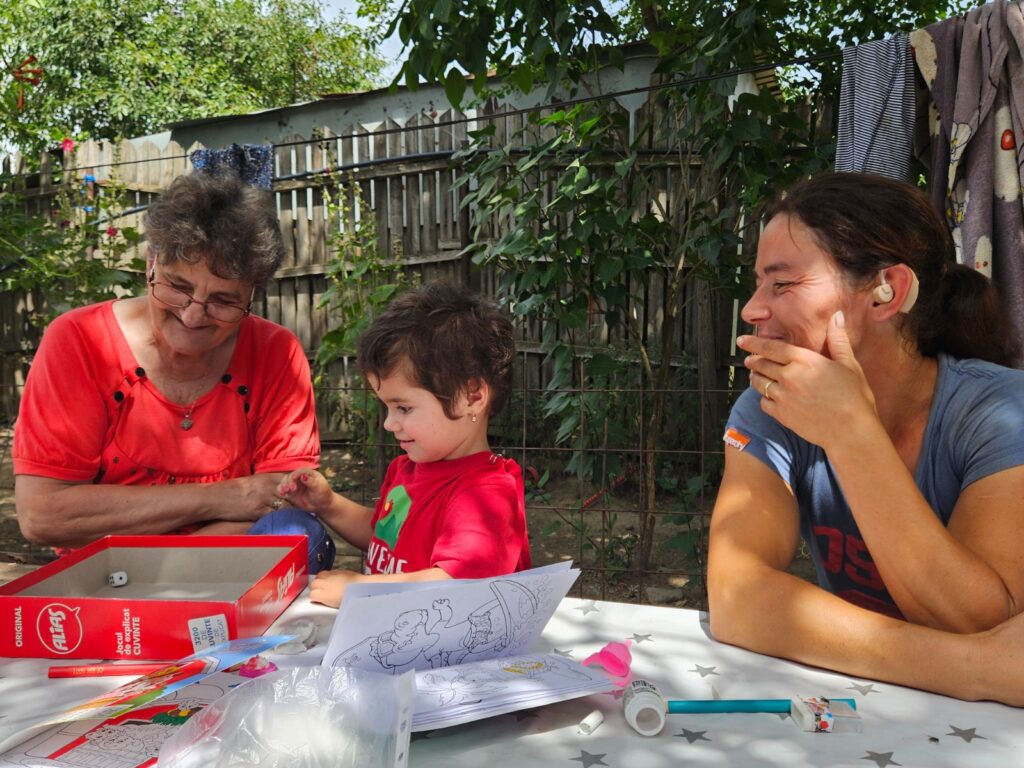
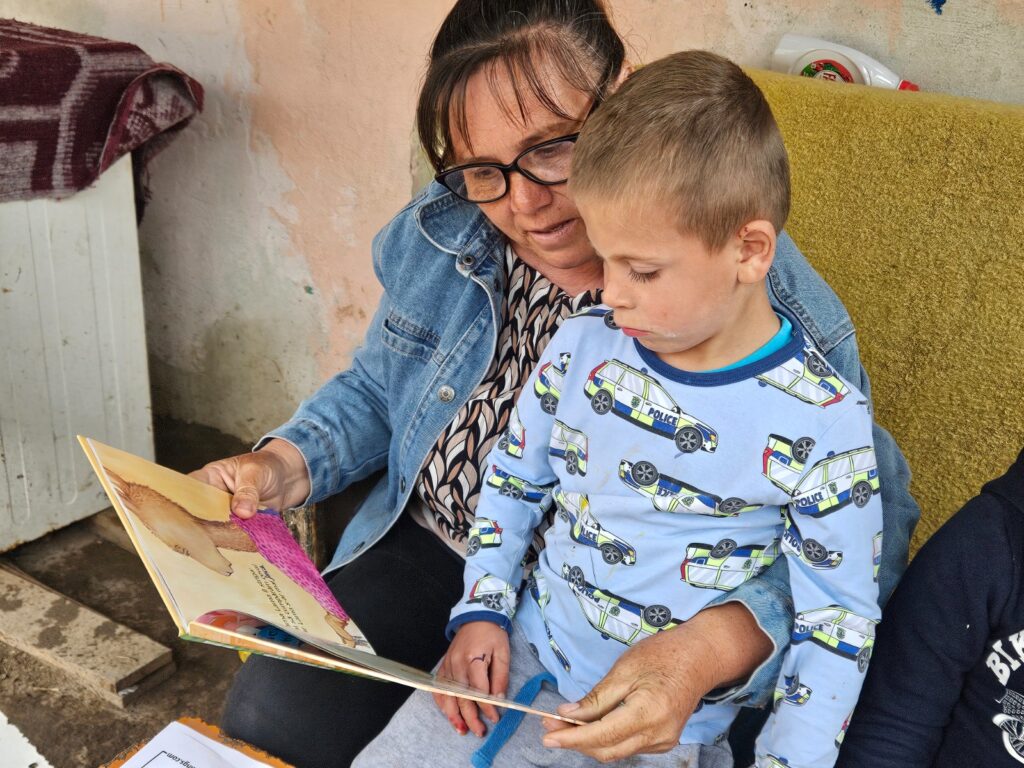
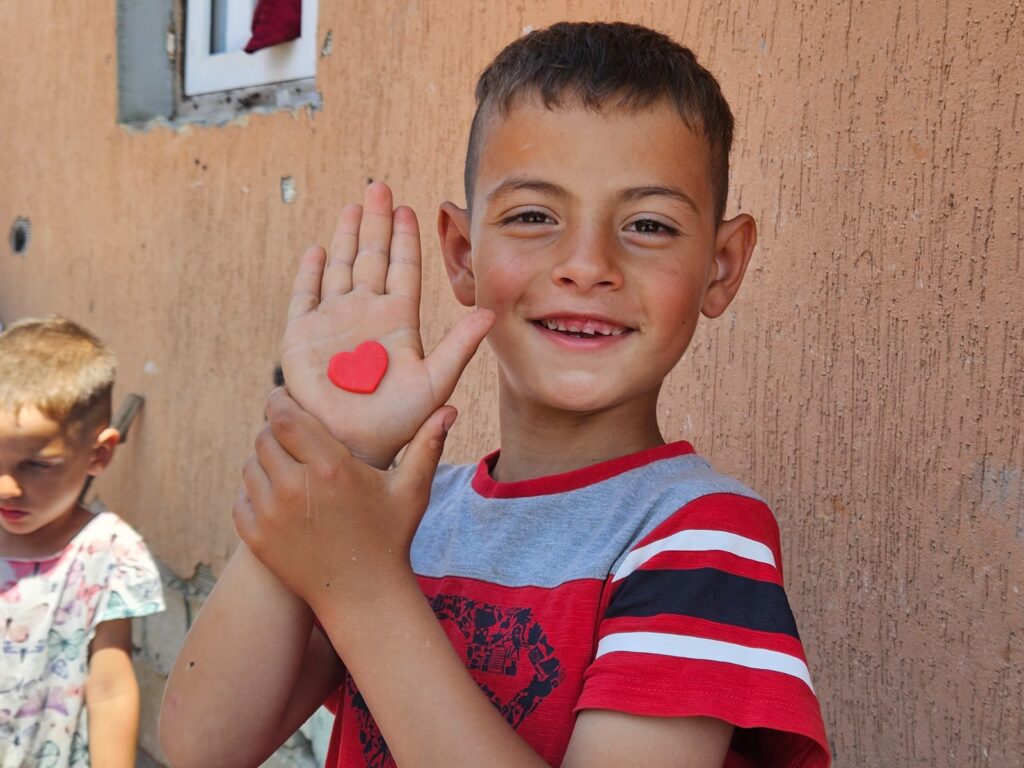
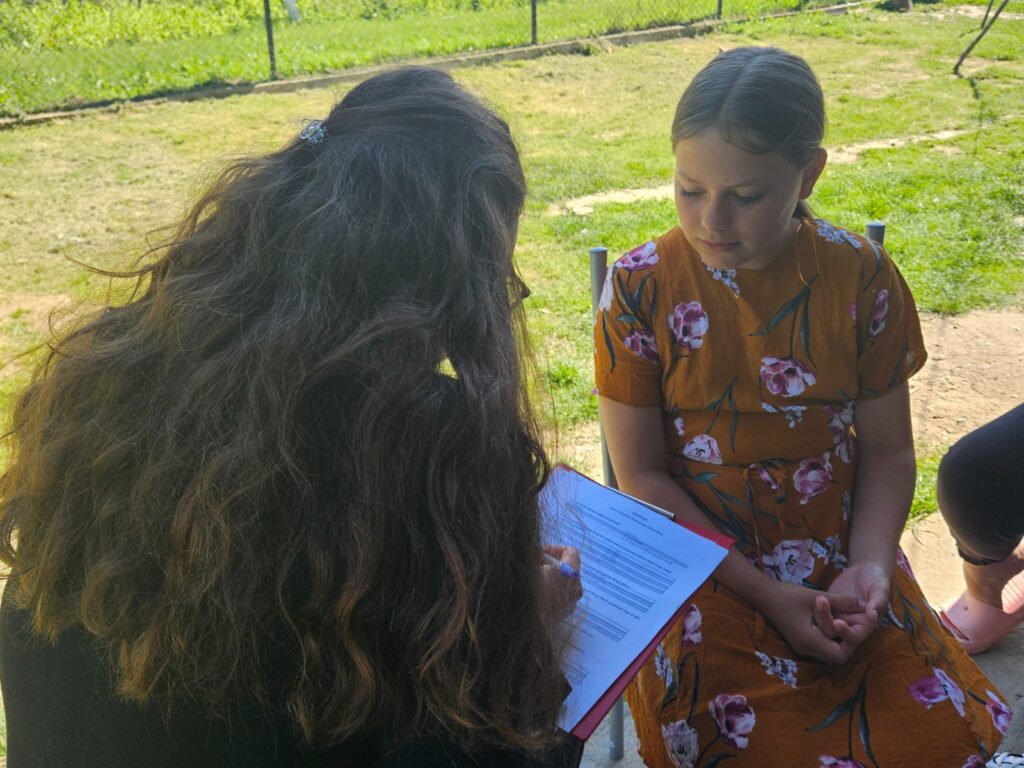
When we talk about social programs for children and vulnerable families in Romania, numbers matter. Not because people can be reduced to statistics, but because they prove what works. In 2025, after 20 years of activity, the Adina Stiftelsen Foundation completed the first impact study of the Home-Start program in Romania, in partnership with the University of Craiova, Faculty of Social Sciences.
The results confirm what volunteers, parents, and children have felt for years: early support, provided at home, within the family, can change a child’s trajectory.
What is the Home-Start program and who is it for
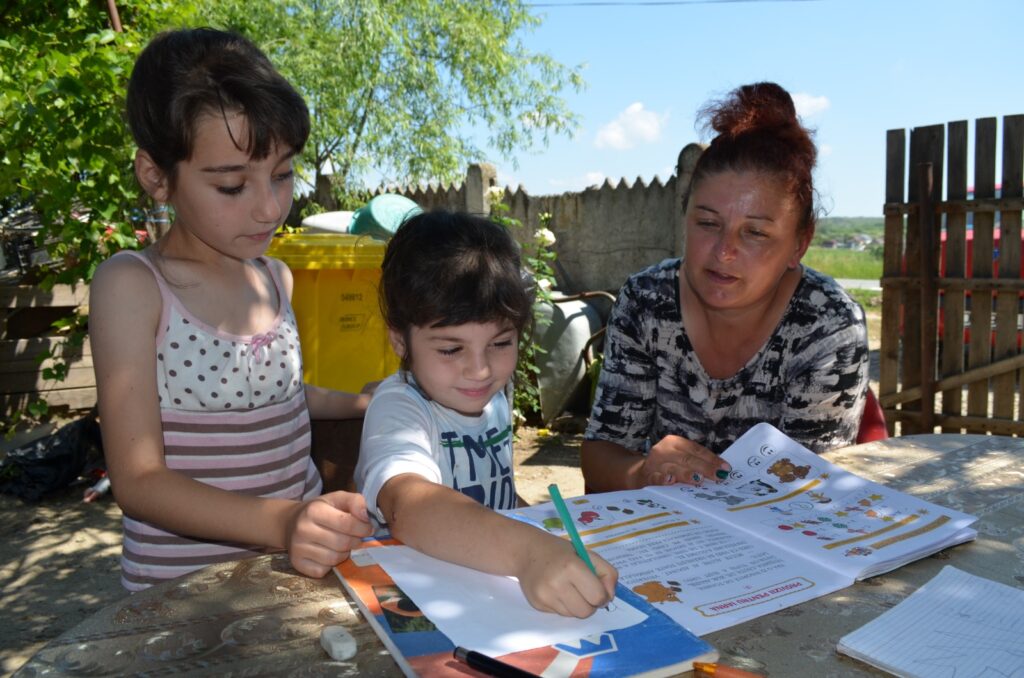
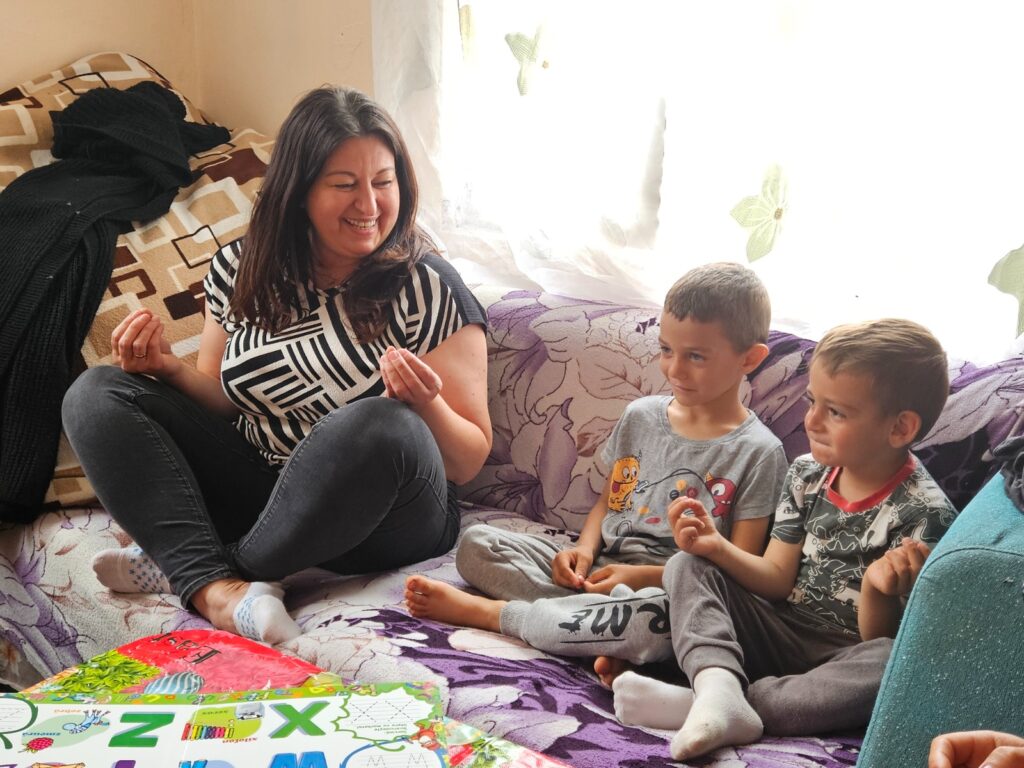
Home-Start is an internationally recognized volunteer-based program for families with young children, present in over 20 countries. It originated in the United Kingdom in 1973 and is built on a simple principle: trained volunteers visit families at home, offering emotional, practical, and educational support.
In Romania, the program is implemented by the Adina Stiftelsen Foundation, a non-profit organization based in Șimnicu de Sus commune, Dolj County, active in rural communities in the region. The foundation works with families affected by poverty, social isolation, or limited access to education—those families who, without support, risk remaining unseen by formal social assistance systems.
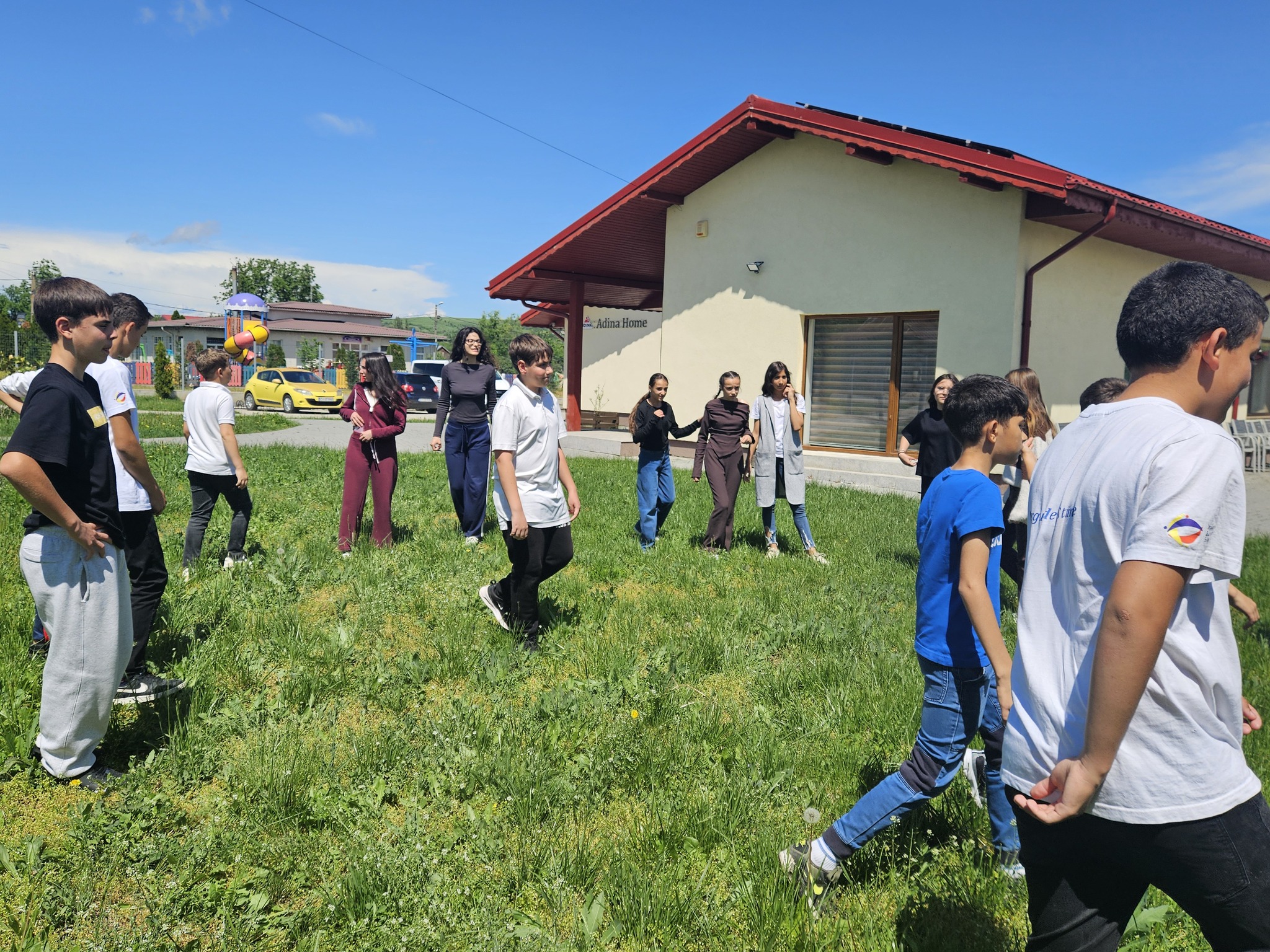
The Home-Start program represents the first step in the support pathway offered by the foundation, opening the way to six additional programs dedicated to children, youth, and women in the community.
How the study was conducted: methodology and team
The research was led by Prof. Univ. Dr. Jacqueline Barnes , Chair of Trustees la Home-Start Worldwide, și Lect. Univ. Dr. Veronica Gheorghiță from the University of Craiova, alongside the foundation’s coordinator, Georgiana Cocie.
In the field, 24 students from the Faculty of Social Sciences collected data through:
- 126 questionnaires completed by 83 children and young people and 43 parents
- 14 in-depth interviews with Home-Start volunteers and former beneficiaries
The data covers families who participated in the program between 2015 and 2024, with collection carried out in May and June 2025. Participation was voluntary, and all data was anonymized in accordance with ethical standards.
What the data shows: the impact on children
One of the most relevant findings concerns the age of entry into the program: more than half of the children joined Home-Start before the age of 6—a critical period for emotional, social, and cognitive development. This confirms the strong preventive role of the program.
Over 80% of children stated that the foundation’s programs helped them to a very great extent in their personal, social, and professional development.
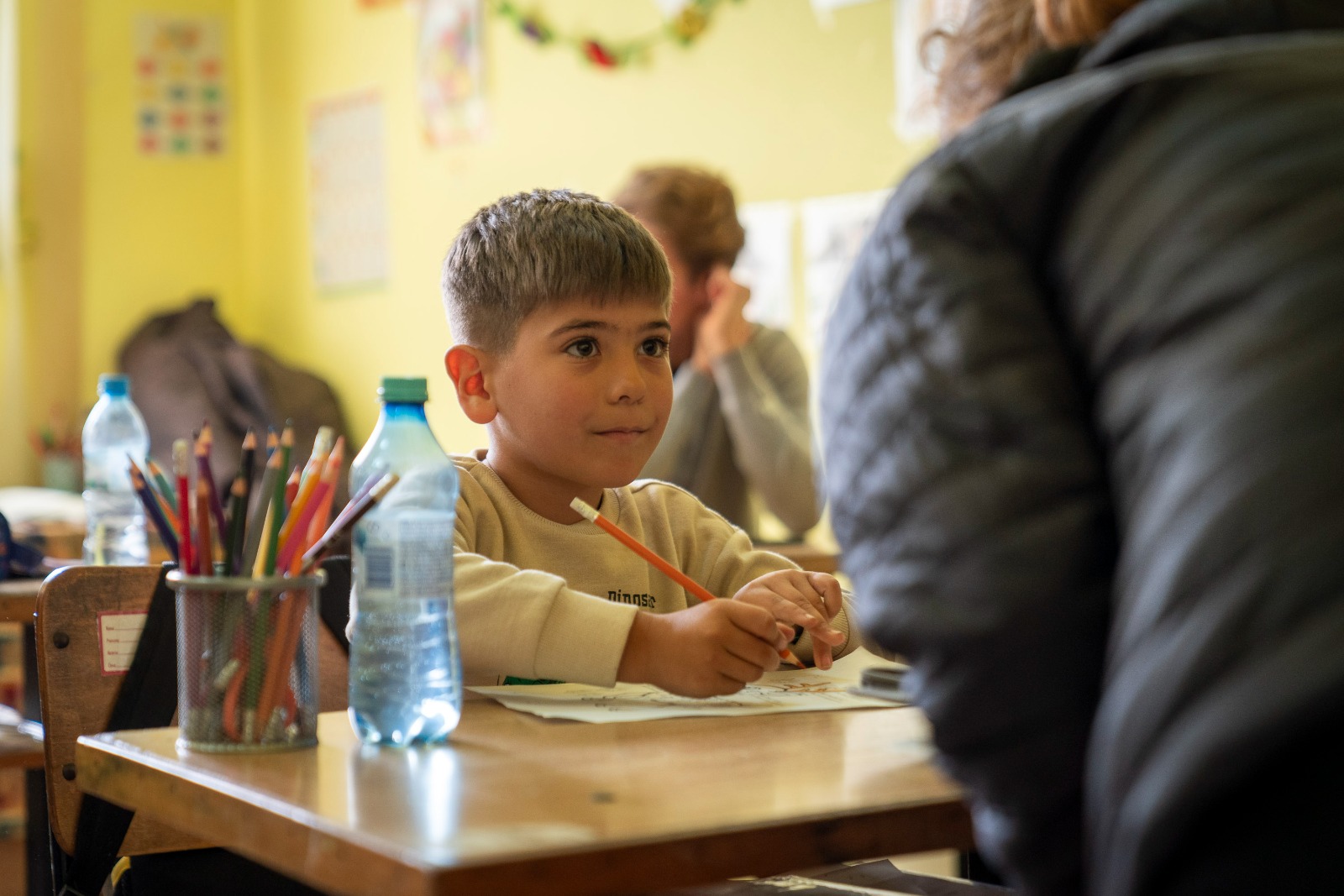
At an educational level, children reported better grades, increased school attendance, and greater involvement in homework. Their aspirations are also concrete: 67% want to complete high school, 15% secondary school, and 9% aim to attend university—remarkable figures for rural communities with limited access to education.
The emotional impact is equally significant. Almost all children clearly remembered the volunteer who visited their home, even years later. The most commonly used words to describe them: help, joy, friendship, support, togetherness.
The voice of former beneficiaries: turning-point stories
Interviurile aprofundate cu foști beneficiari, acum adolescenți sau tineri adulți, au adăugat profunzime cifrelor. Mai mulți au descris vizitele voluntarului ca pe un moment de cotitură: o perioadă în care cineva a venit, a ascultat și a oferit stabilitate atunci când familia traversa momente dificile.
Some managed to complete their education or find employment, partly attributing this to the support received through Home-Start and the foundation’s subsequent programs. These testimonies demonstrate that the program’s impact extends far beyond childhood.
Changes within families: what parents say
Parents joined the program mainly for educational support (30%), to learn new things (15%), or for personal emotional support (13%). What they found often exceeded expectations.
Reported changes within families include improved parent-child relationships (29%), more open communication (16%), and increased sociability (25%). Volunteers were described as kind, respectful, and helpful, and all parents rated their relationship with their volunteer as good or very good.
The volunteer experience: transformation in both directions
Home-Start volunteers come from diverse backgrounds but share a common motivation: the desire to make a real difference. Interviews showed that the experience also brought them significant personal growth: greater empathy, patience, social awareness, and the satisfaction of witnessing change firsthand.
They observed increased attention and motivation in children, better parent-child interactions, and more consistent family routines. Their message is consistent: small, regular actions matter enormously.
Why this study matters for the NGO sector in Romania
In a context where non-profit organizations in Romania are often under pressure to demonstrate the effectiveness of their social programs, this study provides a model of rigorous evaluation, conducted through academic partnership, based on real community data.
It shows that structured volunteering—not occasional, but trained, continuous, and rooted in authentic relationships—produces measurable long-term results. And that investing in social support for vulnerable families is not a cost, but a high-impact preventive intervention.
The full study is available on our website and can be consulted by researchers, decision-makers, institutional partners, and anyone interested in understanding what real social impact looks like in a Romanian rural volunteering program.
Interested in becoming a Home-Start volunteer or supporting the programs of the Adina Stiftelsen Foundation? Write to us or visit us.